
.png)
Plot 2758, Odur Lane, Ntinda Kigowa
P.O Box 36306, Kampala, Uganda
Tel: +256 (0) 782 129 014 / +256 (0) 789 491 220
E-mail: info@segamu14consults.com
Website: www.segamu14consults.com
Copyright © 2025. All rights reserved.


.png)
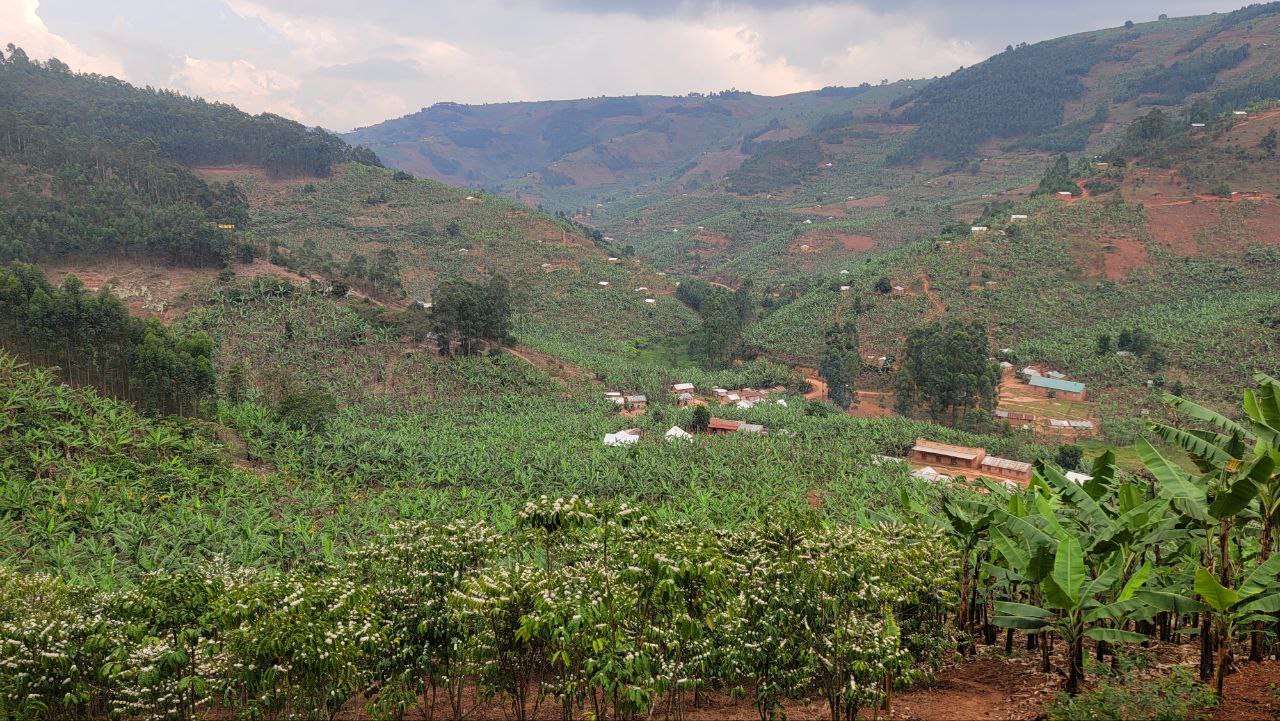
Project Overview:
The Irrigation for Climate Resilience Project (ICRP) was a targeted intervention implemented under the Ministry of Water and Environment, aimed at strengthening climate resilience and environmental sustainability in communities surrounding the Kabuyanda Irrigation Scheme. The assignment involved non-consultancy services to support communities within micro-catchments linked to the scheme, with a specific focus on Lot 2: Implementation of Wetland and Riverbank Restoration Measures.
The project sought to address environmental degradation while enhancing the long-term sustainability of irrigation infrastructure by restoring critical ecosystems that support water regulation and climate adaptation.
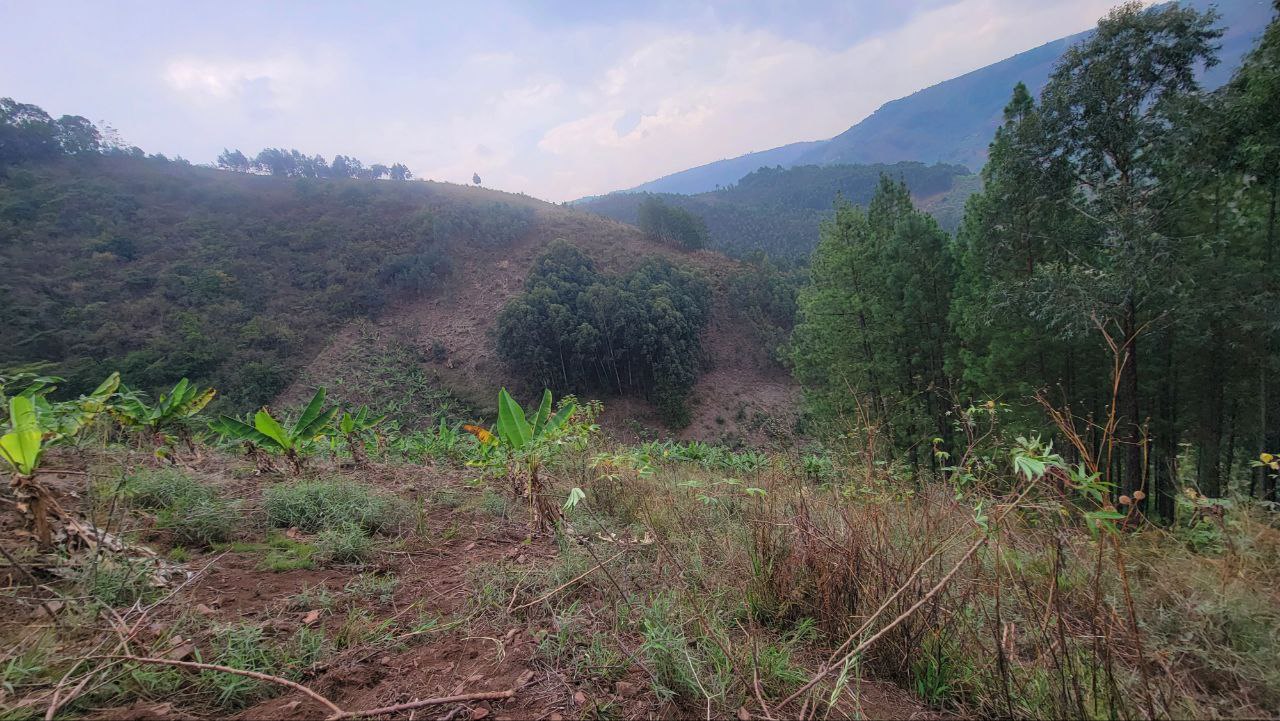
Project Objectives:
The primary objectives of the ICRP intervention were to:
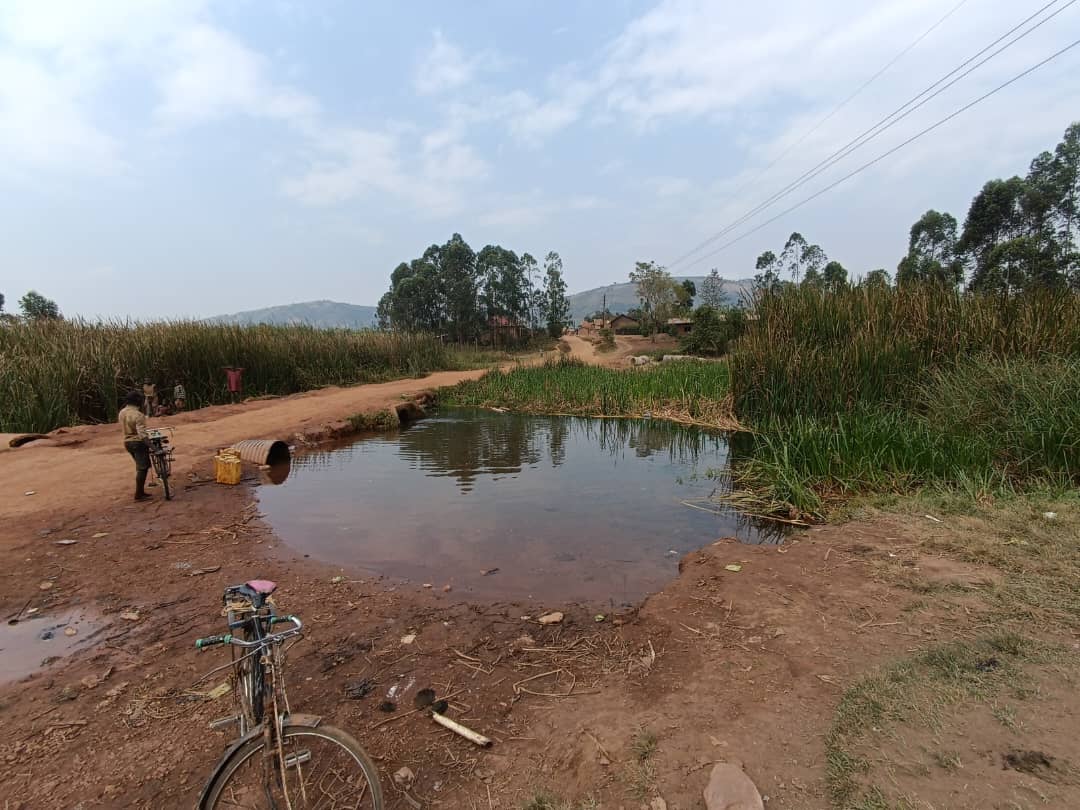
Scope of Services:
The scope of non-consultancy services included implementation of physical restoration measures such as riverbank stabilization, wetland rehabilitation, re-vegetation using appropriate indigenous plant species, and erosion control structures. Community engagement and mobilization formed a core component of the assignment, ensuring local participation in restoration activities and long-term stewardship of rehabilitated ecosystems.
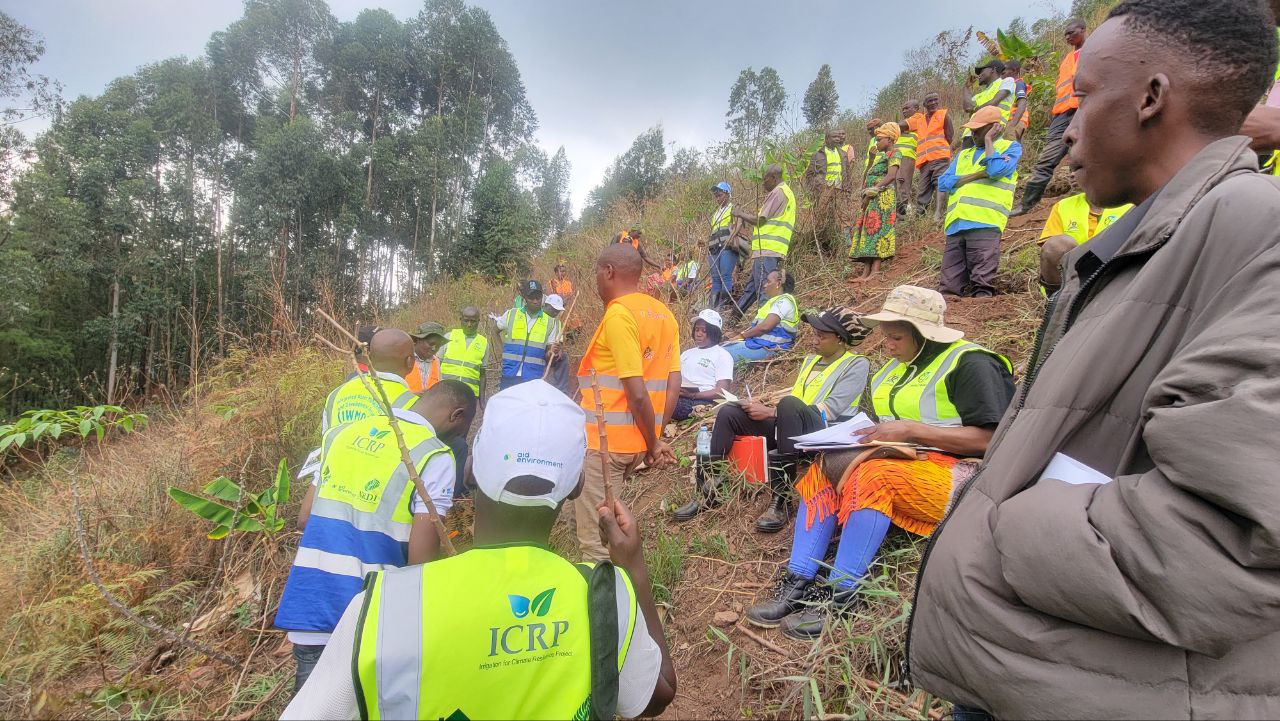
Sustainability and Environmental Management:
Environmental sustainability was central to project implementation. Restoration activities were designed to align with ecosystem-based adaptation principles, promoting natural water retention, biodiversity conservation, and resilience to climate variability. All interventions were carried out in compliance with environmental safeguards and Ministry of Water and Environment guidelines.
Community and Climate Impact:
The project delivered tangible benefits to communities around the Kabuyanda Irrigation Scheme by improving environmental conditions, reducing vulnerability to climate-related shocks, and supporting sustainable agricultural productivity. Restored wetlands and riverbanks contribute to improved water quality and availability, reinforcing the resilience of both livelihoods and irrigation infrastructure.